

The Yamaha YZF-R125 is a high-compression engine that relies heavily on its liquid cooling system. If your fan fails to engage in heavy traffic, you risk blowing a head gasket or damaging the VVA (Variable Valve Actuation) system on 2019–2026 models.
1. How the System Works
Unlike older bikes with a simple thermal switch, the R125 uses the ECT (Engine Coolant Temperature) Sensor to talk to the ECU.
Engagement Temp: The fan typically kicks in when the coolant reaches approximately 100°C (212°F).
Disengagement Temp: The fan should turn off once the temperature drops back to roughly 95°C (203°F).
2. Signs of Fan Failure
Overheating Light: The red temp warning light illuminates on the dash.
Coolant Overflow: Boiling coolant escaping through the reservoir overflow pipe.
TFT Alerts (2023–2026): On Gen 4 models, a specific "Overheat" warning will appear on the 5-inch TFT display.
3. Step-by-Step Troubleshooting
If your bike is hot but the fan is silent, check these in order:
The Fuse: Check the 15A or 7.5A Fan Fuse (location varies by year, check your
Service Manual The "Spin" Test: With the engine OFF, carefully use a screwdriver to see if the fan blades spin freely. Road debris often jams the small R125 fan.
The Relay: The ECU sends a signal to a relay to trigger the fan. You can test the relay by applying 12V to the coil side and checking for continuity.
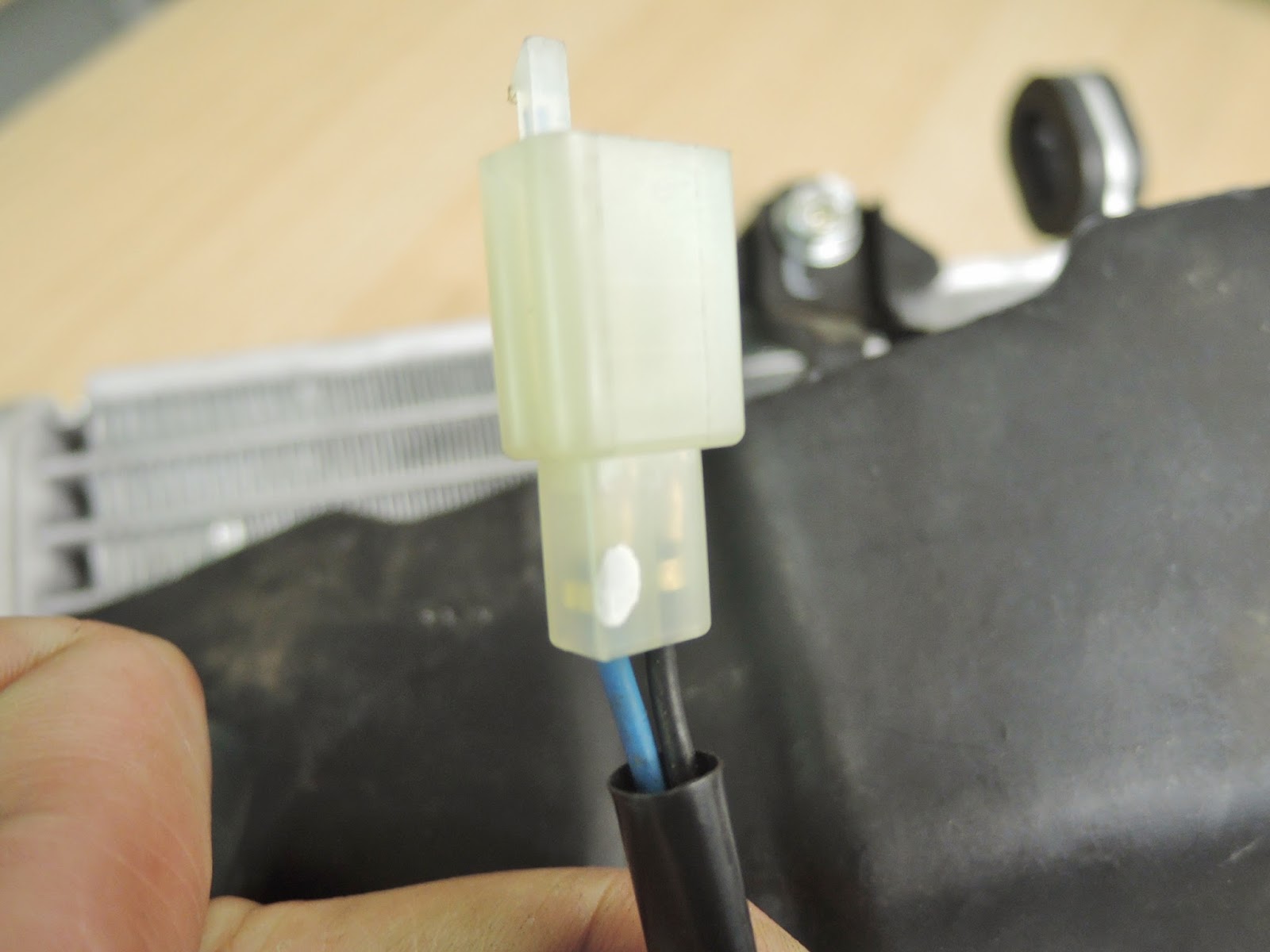
Direct Power Test: Disconnect the fan plug and jump it directly to a 12V battery. If it doesn't spin, the motor is burnt out.
4. The ECT Sensor (The Brain)
On 2019+ models, a faulty ECT sensor won't just stop the fan—it will cause poor fueling because the bike thinks it’s permanently "cold."
Code 21: This is the common Yamaha error code for a coolant sensor circuit fault.
Resistance Check: At 20°C, the sensor should read approximately 10–15 kΩ. As the engine gets hotter, the resistance should drop significantly.
5. Air Locks: The Hidden Culprit
If the fan is spinning but the bike is still overheating, you likely have an air lock in the system.
Always "burp" the system by leaning the bike slightly and squeezing the radiator hoses after a coolant change.
Ensure the radiator cap is holding pressure; if the seal is worn, the coolant will boil before the fan even has a chance to turn on.
Essential Links
Workshop Service Manuals – Wiring diagrams for the fan relay.Blog Index – Navigation for all technical guides.
Safety Warning: Never open the radiator cap while the engine is hot. Pressurized steam can cause severe burns. Always wear full protective gear when riding to stay safe on the road.
Technical Tip: If you ride in a very hot climate, some owners install a "Manual Fan Switch." However, on 2023+ models, this may trigger a Check Engine light due to the ECU detecting an unexpected voltage drop in the fan circuit.
Easy to do just connect Multimeter set to auto range ohms and take a reading mine which works excellent measured 4.5 .




No comments:
Post a Comment