
⚠️ Safety Warning: When testing the Coolant Temperature Sensor (CTS), be extremely careful if the engine is warm. Never remove the sensor while the cooling system is under pressure, as this can result in severe scalding from hot coolant. Ensure the bike is completely cool before attempting removal.
The CTS plays a vital role in the engine management system, telling the ECU how much fuel to inject based on engine heat. A faulty sensor can cause poor starting, "limp mode," or overheating issues.
Testing Procedure
Testing the CTS requires a multimeter set to the Resistance (Ohms) setting:
Resistance Check: Measure the resistance across the sensor terminals. The resistance should change significantly as the temperature of the sensor changes (typically dropping as the sensor gets hotter).
Continuity to Ground: Check that there is no unintended continuity between the terminals and the sensor body.
Bench Test: You can immerse the tip of the sensor in water and gradually heat the water while monitoring the Ohms on your multimeter to ensure the "curve" is smooth and within factory specifications.
Signs of a Faulty CTS
Difficult Cold Starts: The ECU may not realize the engine is cold and might not provide enough fuel (similar to a stuck choke).
Overheating Warnings: The temperature light on the dashboard may flash even if the engine feels cool, or fail to trigger when it should.
Poor Fuel Economy: If the sensor tells the ECU the engine is always cold, the bike will run "rich" and waste fuel.
Parts & Tools
Replacement Sensors:
Shop YZF-R125 Temperature Sensors on eBay UK Diagnostic Tools:
Digital Multimeters for Motorcycle Testing on eBay UK
Buy new temp sensor here on Ebay UK


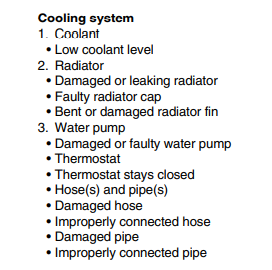

Testing the coolent temperature sensor see entire process in video below

No comments:
Post a Comment