
R125 technical manual https://sites.google.com/view/yamahayzf-r125ultimatebible/r125-technical-data
⚠️ Safety First: Always set the engine to Top Dead Center (TDC) on the compression stroke before loosening the camshaft. Failing to do so can result in the valve springs jumping and damaging the threads on the cam carrier.
1. The Decompression Cam Mystery
The R125 uses a centrifugal decompression pin on the exhaust side of the camshaft.
How it works: At cranking speeds, the pin holds the exhaust valve slightly open to reduce compression, making it easier for the starter motor to turn the engine. Once the RPMs rise, centrifugal force pulls the pin back, and full compression returns.
Testing: Ensure the pin moves freely with a light finger touch. If it’s stuck or "gritty," it will either cause the bike to have zero compression (stuck open) or make it impossible to turn over (stuck closed).
2. Valve Leakage Test (The "Petrol Test")
Before reassembling the head, you must ensure the valves are sealing perfectly against the seats.
Procedure: With the spark plug installed and the head upside down, pour a small amount of petrol or brake cleaner into the combustion chamber "bowl."
The Goal: Wait 5-10 minutes. If you see fluid weeping out of the intake or exhaust ports, the valves need to be lapped (ground in) using valve grinding paste.


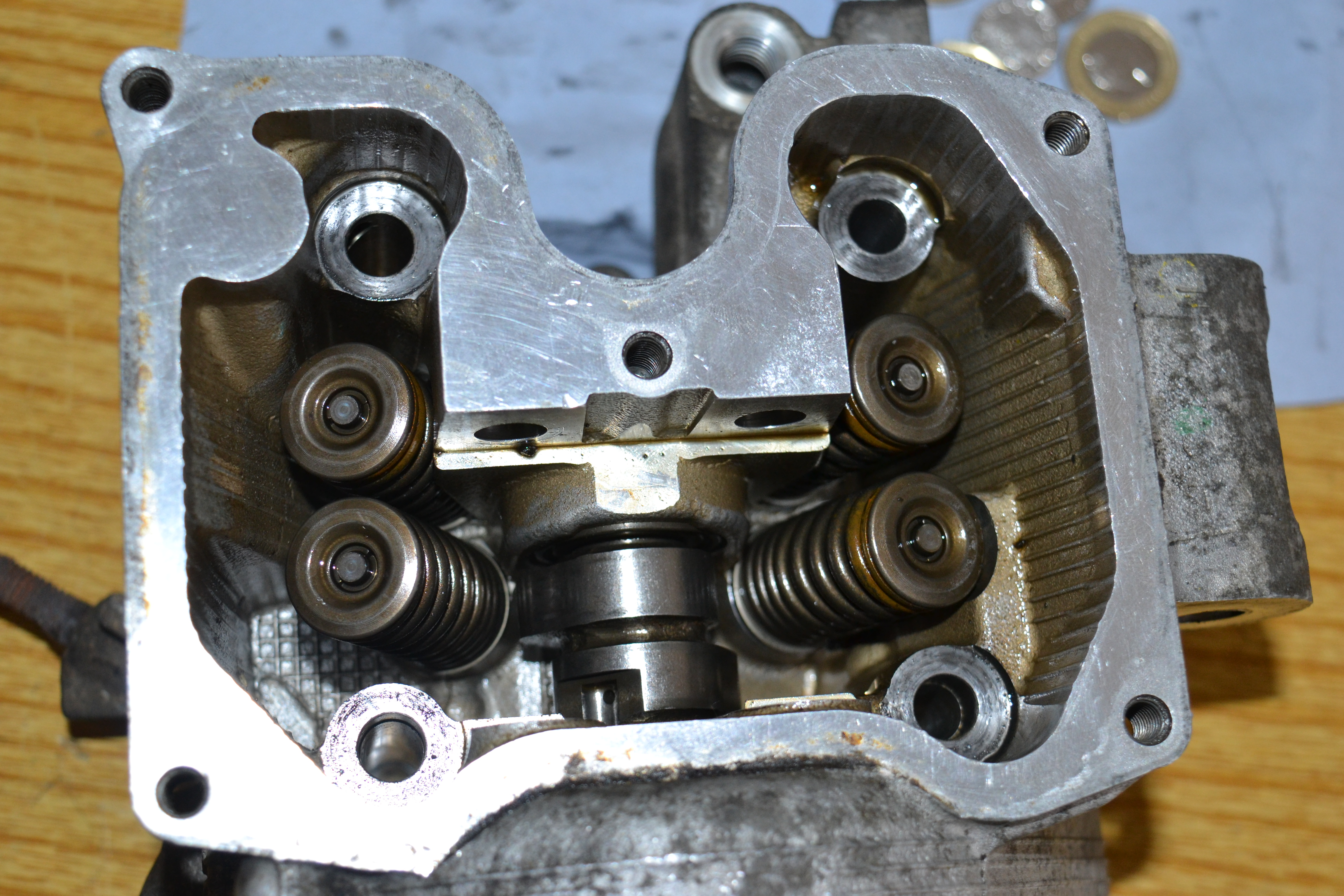


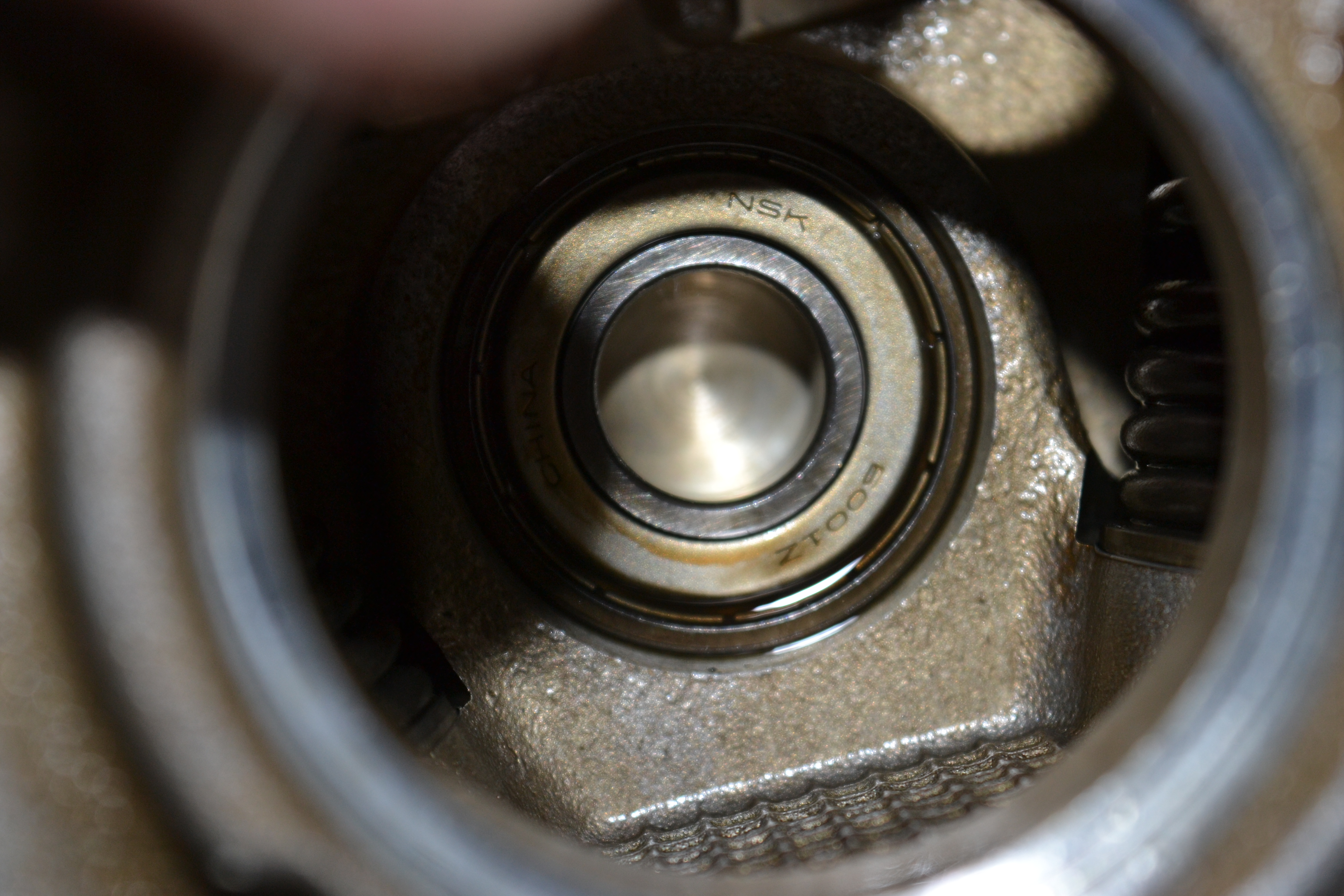
Testing the valve for leakage in video below
Recommended Tools for Cylinder Head Work
Working on the cylinder head requires high-precision measuring and cleaning tools to prevent catastrophic engine failure.
Digital Vernier Calipers: Use these to measure the cam lobe height. If the lobes are worn below the factory service limit, the engine will lose significant top-end power.
Feeler Gauges (Precision Set): Essential for the final assembly. After refitting the cam, you must set the valve clearances (Inlet: 0.10-0.14mm / Exhaust: 0.20-0.24mm) to ensure the engine runs quietly and efficiently.
Here is a quick reassembly checklist and the precision tools you’ll need to ensure the head is 100% factory spec.
Head Reassembly Checklist
TDC Alignment: Double-check that the "I" mark on the flywheel aligns with the crankcase mark and the cam sprocket marks align with the cylinder head surface.
O-Rings & Dowels: Ensure the two locating dowels and the small oil-passage O-ring are seated correctly before torquing the head down.
Torque Sequence: Tighten the four main head bolts in a criss-cross pattern to the factory spec (typically 22Nm, but check your specific year's manual).
R125 technical manual https://sites.google.com/view/yamahayzf-r125ultimatebible/r125-technical-data

No comments:
Post a Comment